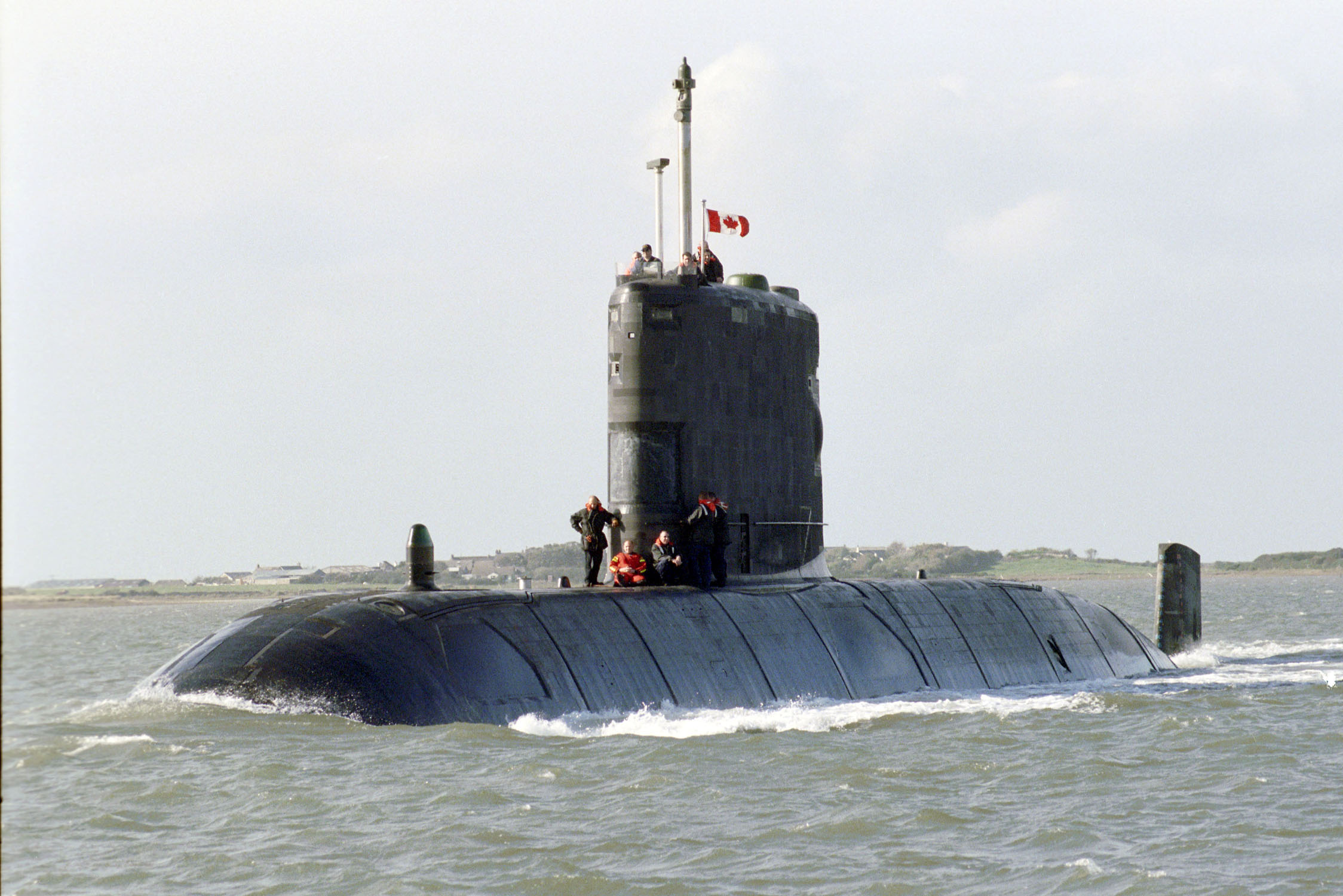
The U.S. Navy is trying to retire a class of submarines it still cannot afford to lose.

The Los Angeles-class attack submarine, long the backbone of the fleet’s undersea force, is aging out at the same moment its intended replacement remains constrained by production delays and maintenance pressures. That mismatch has turned a planned transition into a force-structure problem. For years, the Navy expected Virginia-class boats to arrive quickly enough to let the 688s depart on schedule. The record now shows that assumption has not held.
The scale of the gap is hard to ignore. The Navy’s undersea requirement stands at 66 attack submarines, while Adm. James Kilby told Congress the service had 47 currently in inventory. At the same time, actual Virginia-class output has remained stuck at about 1.1 to 1.2 boats per year rather than the long-stated goal of two annually. That shortfall matters because retirements do not wait for industrial recovery. The submarine fleet shrinks anyway, and each decommissioning leaves less margin for deployment cycles, maintenance delays, and unexpected repairs. The Los Angeles boats are older and less adaptable than newer Virginias, but they still provide hulls, weapons capacity, and operational presence that the Navy has not replaced at the required pace.
That reality is already showing up in the decommissioning queue.
In 2026, the Navy has already retired USS Newport News after 37 years of service, and USS Alexandria is also scheduled to leave the active fleet. Those departures are routine in one sense; Los Angeles-class boats were always meant to cycle out. What makes them different now is the production environment behind them. Virginia construction has accumulated a backlog of procured but unfinished boats, while the Columbia-class ballistic missile submarine program continues to demand priority access to the same industrial base.
Congressional and Navy discussions have therefore returned to a familiar but difficult option: extend selected Los Angeles-class submarines through reactor refueling, structural work, and combat-system upgrades. That can preserve capacity, but it also pulls scarce labor, dock space, and supplier effort into older hulls. The same industrial bottlenecks that slowed new construction complicate life-extension work. A stopgap becomes less useful when it consumes the same constrained repair and construction ecosystem needed to fix the larger problem.
The broader shipbuilding context makes the issue larger than one class of submarine. A Congressional Research Service review describes submarine industrial-base funding as a multiyear effort to reach the Navy’s “1+2 by 2028” goal of one Columbia and two Virginia submarines per year, but also notes continued uncertainty about whether the target can be achieved. The Navy’s own fleet ambitions have grown as well, with a 381-manned-ship force goal paired with large unmanned systems, yet force design on paper does not solve labor shortages, supplier bottlenecks, or dry-dock limits.
That has elevated a once-marginal idea into a more serious design question: use some aging 688s differently rather than simply keeping them in their current form. The concept of turning selected Los Angeles-class boats into platforms for unmanned underwater or aerial systems reflects the same pressure visible across the fleet—finding ways to preserve capacity without waiting for an ideal shipbuilding pace. It does not erase the age of the hulls or the complexity of modification work, but it shows how the submarine shortage has become an engineering and industrial problem as much as an operational one.
The Los Angeles class was supposed to hand off the mission. Instead, it remains part of the bridge the Navy is still trying to build.