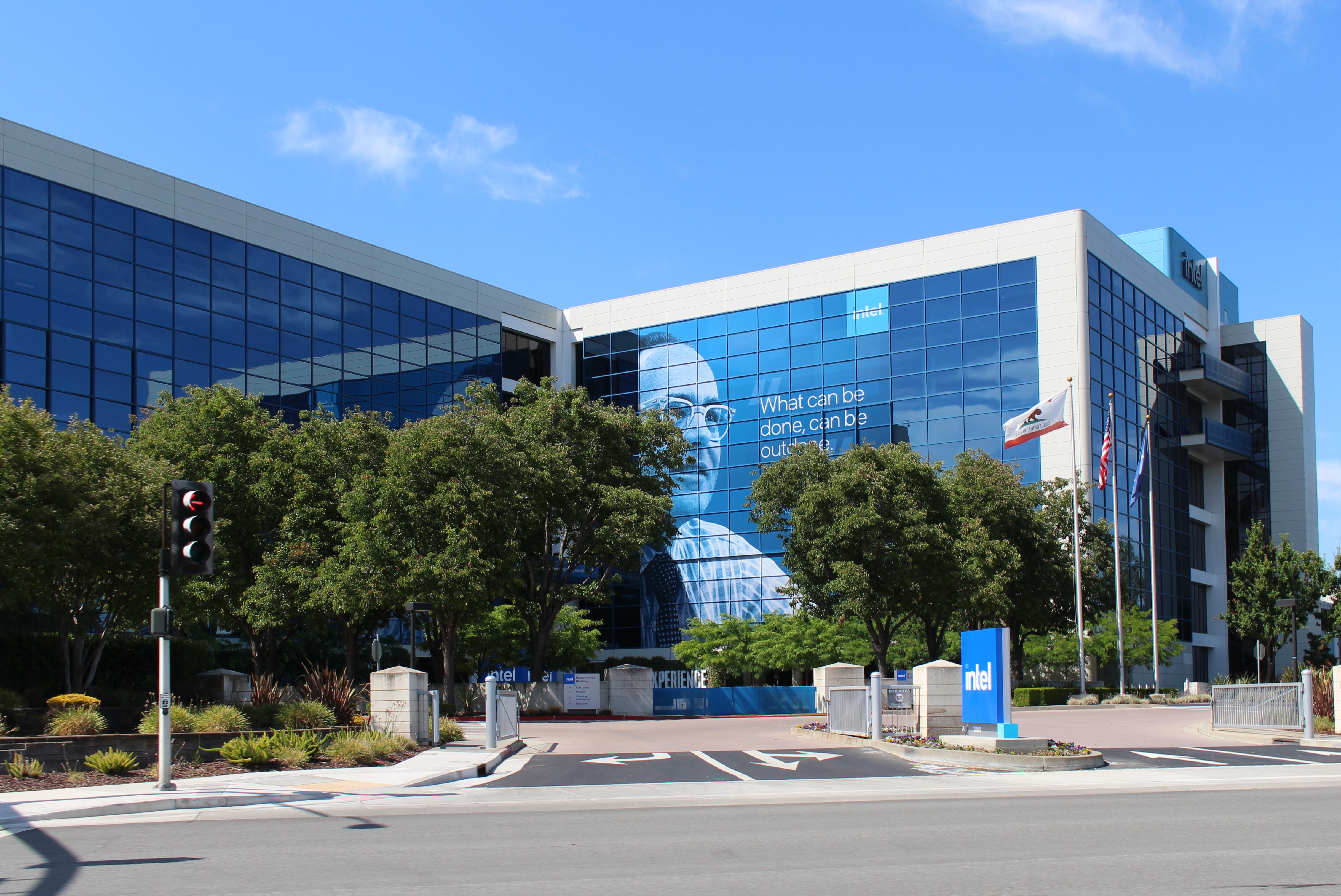
Intel shares are up 15% in the first four trading sessions of 2026, extending a rebound that has turned a once-embattled manufacturing strategy into a high-visibility engineering test.

The latest spark has been Intel’s “Panther Lake” AI PC platform, the first Intel product line positioned as a proof point for its long-promised 18A manufacturing process. For a company trying to rebuild confidence in its ability to develop and scale leading-edge production, Panther Lake is more than a new PC chip family; it is a public demonstration that design, process technology, and factory execution can move in lockstep.
At the center of 18A is a dual technology bet: RibbonFET gate-all-around transistors and PowerVia backside power delivery. Intel has presented 18A as a step-change intended to improve performance-per-watt and routing efficiency, and its internal roadmap ties multiple client and server generations to the node. The operational milestone matters as much as the circuit-level one, because the first large ramps are slated to run through Intel’s U.S. footprint, including Fab 52 in Chandler, Arizona.
That technical story is now intertwined with a capital story. Nvidia agreed to invest $5 billion in Intel’s common stock and collaborate on custom data center and PC products, including work to connect architectures using NVLink and plans for NVIDIA-custom x86 CPUs built by Intel. In a joint announcement, Nvidia CEO Jensen Huang said, “This historic collaboration tightly couples NVIDIA’s AI and accelerated computing stack with Intel’s CPUs and the vast x86 ecosystem.” Intel CEO Lip-Bu Tan added, “Intel’s leading data center and client computing platforms, combined with our process technology, manufacturing and advanced packaging capabilities, will complement NVIDIA’s AI and accelerated computing leadership.”
For Intel’s foundry ambitions, however, a surge in market confidence does not replace the hard requirements of manufacturing credibility: predictable yields, repeatable ramps, and an ecosystem that makes outside customers comfortable. Industry context has moved quickly. TSMC has begun N2 production and analysts have described it as likely to attract a wide lineup of designers; one summary noted “over 15 customers working on” N2. That competitive backdrop raises the bar for Intel’s next step turning internal success into external demand.
Intel’s forward pitch increasingly emphasizes what comes after 18A: the 14A node, where the company has discussed early customer engagement and a technology path that includes High-NA EUV lithography. Intel has also outlined line extensions around 18A, including performance-oriented variants and advanced packaging options intended to broaden appeal, while continuing to build out design enablement through EDA and IP partnerships.
For investors drawn in by the stock’s momentum, the engineering litmus test remains straightforward: Panther Lake must show that 18A can deliver at scale, while Intel’s foundry organization converts process progress into durable, multi-customer manufacturing demand.